

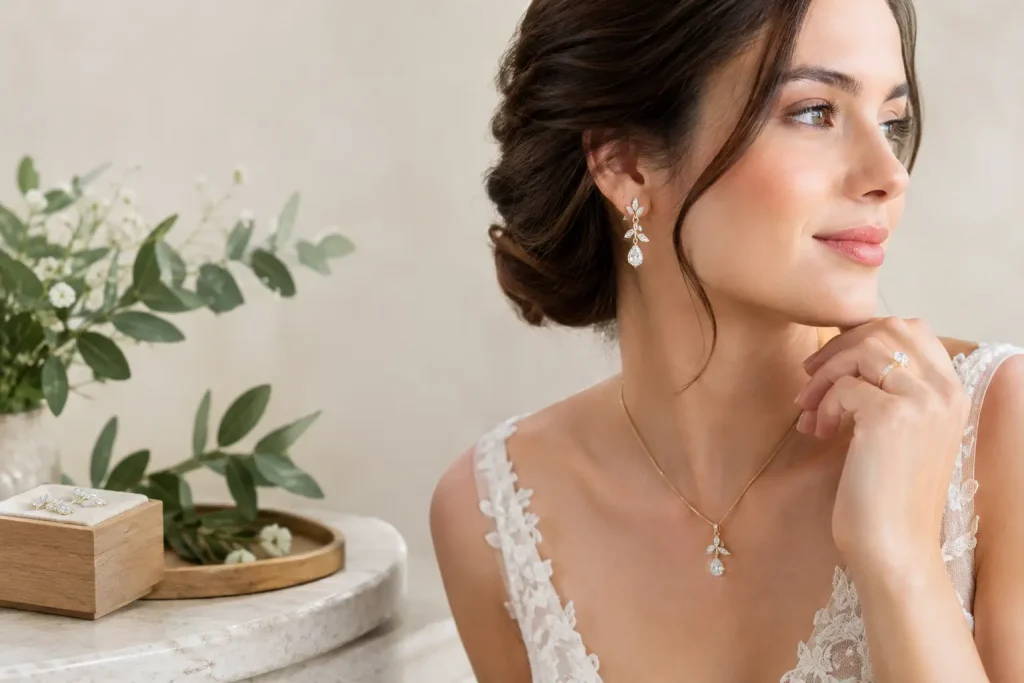
The most meaningful wedding rings are not chosen for one photograph or one day. They are made for the small, ordinary moments that follow: hands held on the sofa, a glance at your ring while making tea, the quiet comfort of wearing something that is unmistakably yours. That is why sustainable bridal jewellery trends are moving away from fast, identical designs and towards considered pieces with a clear story, lasting quality and a personal connection.
For many couples, sustainability is not a single material or a label. It is the decision to buy less, choose carefully and create a ring they will genuinely want to wear for a lifetime. A bespoke wedding band can make that choice feel both more thoughtful and more straightforward, particularly when it needs to sit beautifully beside an existing engagement ring.
Sustainable bridal jewellery trends with real staying power
Trends can be useful when they reflect a genuine shift in what couples value. The strongest sustainable bridal jewellery trends are less about a particular sparkle or metal colour, and more about longevity, traceability and craftsmanship. They invite you to consider where materials come from, how a ring is made and whether its design will still feel right years from now.
Recycled precious metals, chosen with care
Recycled gold and platinum remain a natural choice for couples looking to reduce the need for newly mined metal. Precious metals can be refined and reused without losing the qualities that make them suitable for everyday jewellery, so choosing recycled material need not mean compromising on strength, finish or beauty.
That said, the word “recycled” alone does not answer every question. Ask how the metal is sourced and refined, and make sure the jeweller can explain the material options clearly. The right metal should also suit your lifestyle. Platinum is dense, naturally white and especially hard-wearing, while gold offers a range of tones and can be an excellent choice depending on the carat and design. Sustainability works best when the ring is practical enough to become part of your daily life.
Heirloom remodelling with a new purpose
Few materials carry more meaning than jewellery already held within a family. Remodelling an inherited ring, pendant or unworn piece of gold into a wedding band is one of the most personal ways to create something sustainable. It gives existing material a future rather than leaving it tucked away in a jewellery box.
There are important practical considerations. Not every old stone is suitable for resetting, and some alloys may need to be refined before they can be worked into a new ring. A skilled jeweller will assess the piece rather than make promises too quickly. Sometimes the best approach is to preserve a recognisable detail, such as an engraved date or a small stone, while creating a new band that feels comfortable and wearable.
The result does not have to look vintage unless that is what you want. An heirloom can become a clean, modern shaped band, a delicate accent within a new design or a hidden detail known only to the two of you.
Lab-grown diamonds alongside natural stones
Lab-grown diamonds have become an increasingly considered option for bridal jewellery. They offer the same physical and optical properties as mined diamonds, often with more flexibility around size or budget. For couples who want a diamond-set wedding band but would rather direct more of their budget towards bespoke design, they can be a compelling choice.
Natural diamonds still appeal to many people, particularly when provenance and rarity matter to them. There is no single correct route. What matters is having honest information about the stone, its origin where available, and the setting that will protect it over time. Tiny pavé stones can create wonderful sparkle, for example, but they may require more care than a smooth plain band or a channel-set design.
Made-to-order rings instead of excess stock
A made-to-order wedding ring is sustainable in a quiet but significant way. It is created because you have chosen it, not produced in volume in the hope that someone will eventually buy it. This approach also gives you the freedom to make decisions that improve the ring’s chances of being worn for decades: the width, depth, profile, engraving and fit can all be tailored to you.
For those with an engagement ring already chosen, this is especially valuable. A straight wedding band can leave an awkward gap beside a low-set or unusually shaped engagement ring. A shaped-to-fit design follows its contours closely, allowing both rings to sit together comfortably and intentionally. It avoids the frustration of buying a ring that is almost right, then leaving it unworn because it does not feel balanced on the hand.
A lasting design is often the most responsible choice
Sustainability is sometimes presented as a matter of materials alone, but design longevity deserves equal attention. The wedding band that suits your hand, complements your engagement ring and reflects your style is far more likely to be treasured than a design chosen simply because it is popular at the moment.
A bespoke process gives you room to think beyond the first impression. Do you work with your hands? Would a low, smooth profile feel more comfortable? Do you want a ring that stacks neatly, or do you prefer each ring to stand on its own? Are you drawn to a high-polish finish, knowing it will show fine marks more readily, or the softer character of a brushed finish?
These are not minor details. They determine how your ring feels after the wedding, when it becomes part of your everyday routine. A good jeweller should guide you through the trade-offs with patience, rather than steer you towards the quickest sale.
Personal details that do not date
Engravings, fingerprints, meaningful coordinates and small hidden stones are all growing in popularity because they make a ring personal without relying on a passing trend. A date in your own handwriting or a phrase shared between you can turn a simple band into something profoundly individual.
Subtle details are often the ones that endure best. You may love a bold design and want it to be the centre of your ring stack, or you may prefer a classic court band with one private detail inside. Both can be sustainable choices when they are made well and chosen with confidence rather than pressure.
How to choose thoughtfully without making it overwhelming
Start with the ring you will actually wear. If you have an engagement ring, take clear photographs from above and from the side, or arrange a consultation so its setting and profile can be assessed properly. Reference images are useful too, but they should begin a conversation rather than dictate the final design. What works beautifully on another hand may not fit yours or sit correctly against your own ring.
Be open about budget from the beginning. A bespoke ring can be adapted in thoughtful ways: adjusting the metal, width, stone size or level of detail can protect the overall design without losing the sentiment. It is better to make a few informed choices than to compromise on comfort or quality at the end.
Finally, ask about craftsmanship, sourcing and aftercare. A ring made to last should be supported by sensible advice on cleaning, checking stone settings and maintaining its finish. Responsible jewellery is not disposable. It is designed to be looked after, repaired when necessary and handed down with its story intact.
At BWR London, the most rewarding part of creating a bespoke wedding ring is seeing a couple move from uncertainty to a design that feels immediately, unmistakably theirs. Whether you are working with recycled precious metal, honouring a family heirloom or designing a shaped band around the engagement ring you already love, give yourself permission to choose slowly. The right ring should feel like a piece of your life, not just a detail of your wedding day.